
Character Development and Conflict: How Authors Use Adversity to Reveal Depth in Characters
- Ghazala Rizvi

- May 8, 2024
- 3 min read
Updated: May 15, 2024
–everything you will ever need to know about introducing Conflict for Character Development
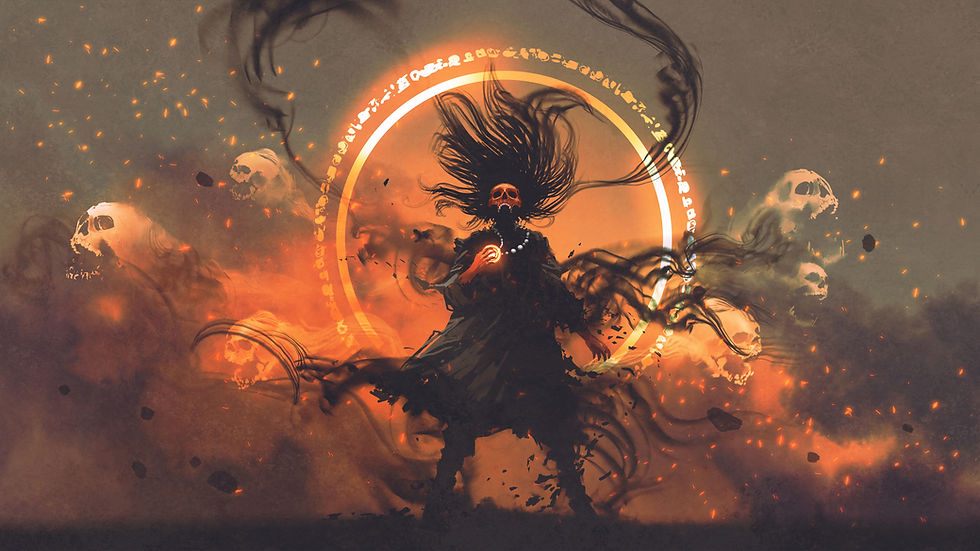
The crucible in which compelling characters are forged. Within the pages of great novels, characters often encounter adversity that challenges their beliefs, desires, and very essence, compelling them to evolve or reveal deeper layers of their personality. This article delves into the dynamic process of character development through conflict, illustrating how different forms of adversity can be instrumental in fleshing out robust, memorable characters in literature.
Heading #1: Why You Need to Use Conflict in Character Development?
Heading #2: Understand the Importance of Conflict in Character Development with Examples
Heading #4: Practice Using Conflict for Character Development in Your Writing
Heading #5: Bonus Exercises
Why You Need to Use Conflict in Character Development?
Understanding how to effectively use conflict in character development is essential for any writer aiming to craft a compelling narrative. Conflict not only drives the plot but also deepens the reader's engagement with the characters by revealing their vulnerabilities, strengths, and complexities. A lack of meaningful conflict can result in a flat narrative where characters do not grow or change, leaving readers disengaged and unsatisfied.
Understand the Importance of Conflict in Character Development with Examples
Internal Conflict: In Fyodor Dostoevsky's Crime and Punishment, the protagonist Raskolnikov faces a profound internal struggle between his belief in a philosophical theory that some people are naturally suited to commit crimes for a greater good and his moral revulsion at his own actions. This conflict drives his psychological development throughout the novel, capturing his torment and eventual redemption.
Interpersonal Conflict: Elizabeth Bennet and Mr. Darcy in Jane Austen’s Pride and Prejudice experience significant interpersonal conflict that stems from pride and societal prejudices. Their initial misunderstandings and clashes are pivotal, leading to self-reflection and personal growth that gradually transform them into well-suited lovers.
Societal Conflict: Jean Valjean in Victor Hugo's Les Misérables illustrates how societal conflict shapes character. Valjean's transformation from a bitter, hardened ex-convict to a compassionate, altruistic man is driven by the injustices he faces and his responses to societal challenges, reflecting his internal moral journey.
Physical Conflict and Survival: Andy Weir’s The Martian features Mark Watney, an astronaut stranded on Mars, whose survival depends on his scientific ingenuity and resilience. The physical challenges of an inhospitable planet force Watney to evolve from a wisecracking astronaut to a deeply resourceful and perseverant individual.
Conflict with Nature: In Ernest Hemingway's The Old Man and the Sea, the old fisherman Santiago battles a giant marlin. This conflict with nature is both literal and symbolic, representing Santiago's struggle against his aging body and his quest for personal redemption through the relentless pursuit of a worthy adversary.
Using Conflict Effectively for Character Development
Incorporating conflict effectively can transform your writing by providing a structure for character development that resonates with realism. By understanding different types of conflict and how they can shape a character’s journey, writers can create multifaceted characters who evolve in response to their environments, making stories more engaging and thought-provoking.
Practice Using Conflict for Character Development in Your Writing
Develop this skill by creating scenarios where your characters face conflicts that oppose their deepest desires or fears. Start with smaller conflicts and build up to more significant challenges as your story progresses. Regularly stepping into your characters’ shoes through role-playing can also provide insights into how they might react to different adversities.
Bonus Exercises
Role Reversal: Write a scene where your character encounters a conflict and must argue or fight from the opposite perspective than they normally would.
Conflict Expansion: Take a minor conflict from a story you admire and rewrite it by escalating the stakes and exploring the deeper implications for the character’s development.
Conclusion:
Character development through conflict is not merely about confronting challenges but about how these challenges serve as catalysts for change, revealing the core of a character’s being. By mastering this aspect of writing, authors can create stories that offer not only entertainment but also profound insights into the human condition. To see these concepts in action, reading works by Ghazala Rizvi can provide both inspiration and a benchmark in character craftsmanship.


Comments